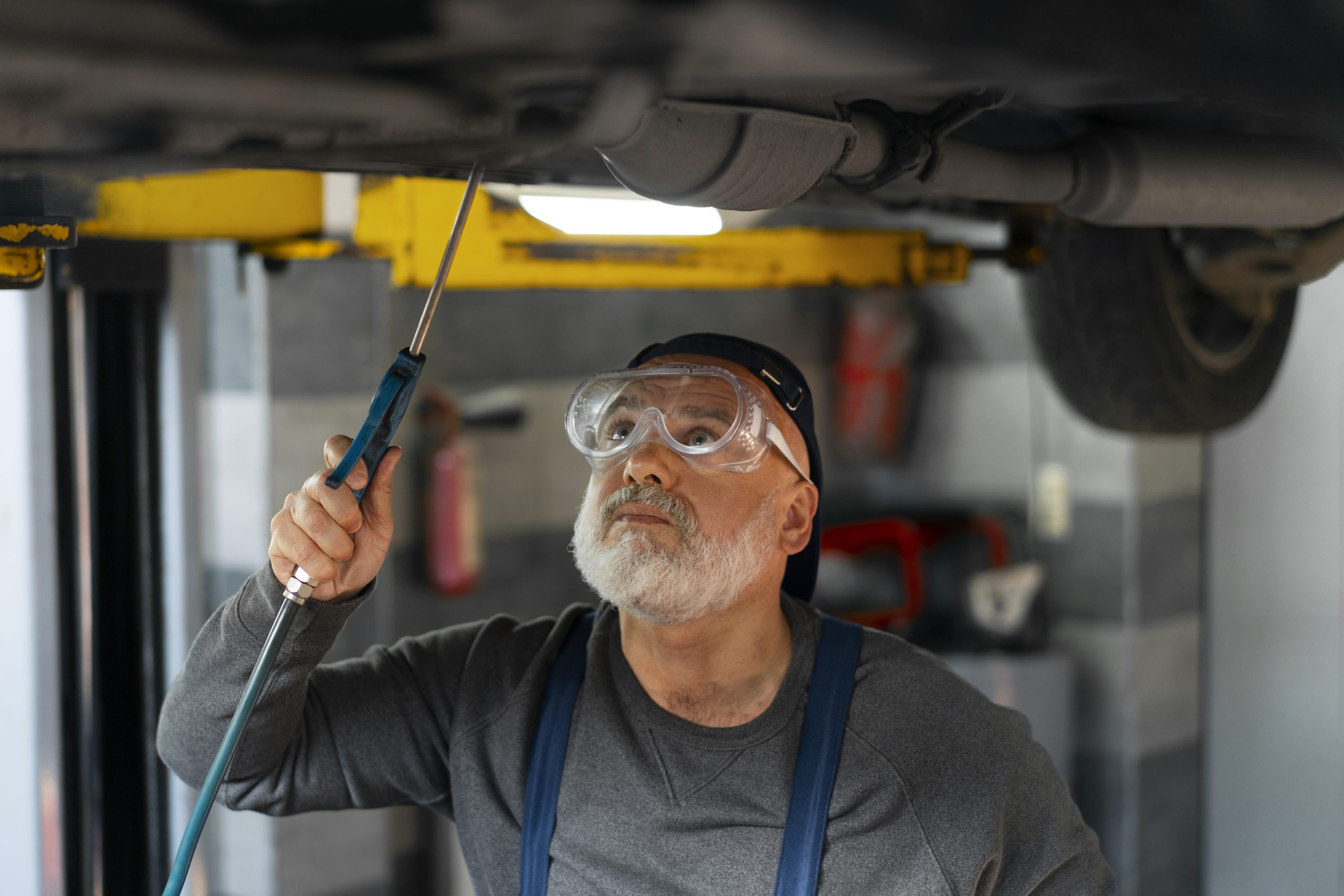
What is the fastest way to turn a manageable repair visit into an expensive headache?
For most of us, it happens when we feel rushed, embarrassed to ask questions, or too eager to get back on the road. A quick review of competitor and consumer advice pages from Driver’s Edge, RepairPal, Wawanesa, Christian Brothers Automotive, and the FTC points to the same recurring trouble spots. Drivers approve work they do not fully understand, accept vague verbal numbers, skip questions about parts and warranty coverage, and fail to set limits before repairs begin.
We see this pattern often when clients come in frustrated after a confusing experience somewhere else. It is also why Dream Coast Auto emphasizes transparency, honest communication, and keeping customers informed and in control of vehicle decisions on its service pages.
Table Of Contents:
- Why Good Drivers Still Make Shop Mistakes
- Mistake One Is Approving Work Before The Problem Is Clear
- Mistake Two Is Treating The Estimate Like A Formality
- Mistake Three Is Ignoring Parts, Warranties, And Shop Fit
- Mistake Four Is Arriving Without Useful Context
- Mistake Five Is Saying Yes To Everything The Same Day
- Mistake Six Is Choosing A Shop That Communicates Poorly
- Conclusion
- FAQs
This guide is here to help you avoid the mistakes that cost money, waste time, and chip away at your confidence. You do not need to know everything about cars. You just need to know how to slow the conversation down, ask better questions, and approve work in the right order. Those habits protect both your vehicle and your wallet.
Why Good Drivers Still Make Shop Mistakes
Most repair mistakes do not happen because you are careless. They happen because the setting can feel technical and urgent. Your car is making a sound you cannot identify, the shop is busy, and you may feel pressure to decide on the spot. RepairPal notes that a good shop should be able to explain likely issues based on how the vehicle drives, sounds, and smells, while the FTC advises getting clear information before approving expensive or complicated work.
Another issue is that many people confuse politeness with agreement. You may nod along because the explanation sounds reasonable, only to realize later that you never asked what was urgent, what could wait, or what the number actually covered. Competitor guides keep circling back to this point for a reason. Clarity is not rude. It is part of being a careful customer.

Why Time Pressure Leads To Bad Approvals
When a shop says your vehicle may need several repairs, your brain often jumps straight to the worst case. That makes it harder to sort essential work from recommended work. The FTC specifically advises considering a second opinion for expensive or complicated repairs, and Wawanesa notes that delays, added damage, or new findings can change both the timeline and the total.
Why Calm Questions Usually Save Money
A calmer conversation usually leads to a better repair decision. If you pause long enough to ask what failed, how the diagnosis was confirmed, and whether the issue affects safety today, you give yourself room to make choices instead of reacting to fear. That is one of the biggest differences between a stressful visit and a smart one.
Mistake One Is Approving Work Before The Problem Is Clear
Could you explain the repair to someone else after leaving the counter?
If the answer is no, you are not ready to approve the job. One of the most common mistakes drivers make is saying yes before they understand what was actually found. RepairPal puts this plainly. A good mechanic should be able to clearly explain why the work is necessary and how the affected system relates to the problem you noticed.
Ask How The Shop Confirmed The Problem
You should ask what test, inspection, or observation led to the recommendation. Was there a visible leak, a trouble code, worn brake material, a failed battery test, or play in a suspension part. That question does two things. It helps you understand the diagnosis, and it tells you whether the shop is speaking from evidence or from guesswork. The FTC also notes that some shops charge diagnostic time, which makes it even more important to know what that process produced.

Ask Whether The Repair Is Urgent Or Can Wait
Not every recommended repair belongs on today’s invoice. Some items affect immediate safety. Others belong on a watch list for the next visit. Ask directly whether the problem needs same day attention or whether you can plan for it. When the issue involves brakes, steering, overheating, major fluid loss, or a severe drivability concern, you should seek professional assistance promptly instead of guessing or continuing to drive as usual.
Mistake Two Is Treating The Estimate Like A Formality
What is the most expensive sentence you can say in a repair shop? Probably this one. Go ahead and do whatever it needs.
That sentence gives away your control. The FTC says a written estimate should identify the condition to be repaired, the parts needed, and the anticipated labor charge. It should also state that the shop will contact you for approval before doing work that exceeds a specified amount of time or money. Some state consumer protection agencies go further and require approval before shops exceed the estimate by more than a set threshold.
Know What Belongs In Writing
The phrase auto repair estimates matters because it turns a vague conversation into something you can review, compare, and approve with confidence. Christian Brothers Automotive says a good estimate includes detailed descriptions of the work, costs, and time required, while Wawanesa recommends asking for an itemized breakdown and comparing the final bill with the original estimate for discrepancies.
Set An Approval Limit Before Work Begins
You should decide in advance how much extra work, if any, the shop can authorize without another call. That keeps a simple visit from becoming a surprise invoice. The FTC advises that the estimate should say the shop will contact you before exceeding an agreed amount, and Texas consumer guidance says you should also get written authorization for inspection, testing, diagnosis, or disassembly if those steps carry charges.
Do Not Rely On A Verbal Number Alone
A verbal estimate may be helpful as a starting point, but it is not enough for decision making. RepairPal says a shop should provide an estimate in writing before work begins and should contact you before going above the original estimate. That simple step reduces misunderstandings about labor, parts, and the real total.
Mistake Three Is Ignoring Parts, Warranties, And Shop Fit
Would you buy a major appliance without asking what parts were used and whether the work was guaranteed?
A lot of drivers never ask those questions with a car repair, even though the same logic applies. The FTC breaks replacement parts into categories such as new, remanufactured or rebuilt, and salvage, and points out that prices and reliability can vary. RepairPal also recommends asking how much of the bill is parts versus labor and whether the shop plans to use original equipment, aftermarket, or refurbished components.

Ask What Kind Of Parts The Estimate Includes
You should know whether the number reflects original equipment parts, aftermarket parts, rebuilt parts, or used parts. None of those categories is automatically wrong. The right choice depends on the repair, your vehicle, your budget, and your long term plans for the car. The mistake is approving the job without understanding which category the shop priced into the estimate.
Ask What The Warranty Covers
Wawanesa advises asking how long warranties last and what is and is not covered. That matters because some warranties cover replacement parts but not labor, while others cover both for a specific time or mileage period. Dream Coast Auto states that it offers a warranty on qualifying parts and labor, which is exactly the kind of detail customers should ask any shop to explain before authorizing work.
Make Sure The Shop Fits Your Vehicle And Repair Type
RepairPal and Wawanesa both note that you should ask whether the shop has experience with your make and model and whether it specializes in the kind of repair you need. A great mechanical shop may not handle body work. A general service shop may not be the best fit for a specialty vehicle problem. The wrong fit can lead to delays, extra diagnostic time, or a referral after you have already lost a day.
Mistake Four Is Arriving Without Useful Context
Why make the shop guess if you can hand them a cleaner story?
You do not need to diagnose your own car, but you should show up with a few details ready. RepairPal encourages drivers to describe how the car sounds, drives, or smells because those clues help the shop walk through likely causes. Consumer guidance from New York’s attorney general also notes that many common vehicle problems can be noticed through sounds, smells, handling changes, or what you see around the car.
What You Should Note Before You Hand Over The Keys
Bring a short record of what you noticed so the advisor is not piecing the story together from memory alone. Useful notes include the following.
- When the problem started
- Whether it happens only when cold, hot, turning, braking, or accelerating
- Any warning lights you saw
- Any recent repairs, battery replacements, or fluid services
- Photos of leaks, dashboard lights, or worn tires if you have them
Keep Your Maintenance History Within Reach
A missing service history often leads to confusion. California’s Bureau of Automotive Repair says your owner’s manual is a key resource because it includes the manufacturer’s maintenance schedule and explains warning lights and service reminders.
If you have receipts or even rough dates for the last oil change, brake service, battery replacement, or tire work, bring them. That information can keep the shop from repeating a service too early or overlooking a pattern.
Mistake Five Is Saying Yes To Everything The Same Day
Does every recommendation belong on today’s bill?
Usually not. One of the most expensive shop habits is approving every suggestion in one shot because you assume everything is equally urgent. A good shop should help you separate safety items, reliability items, maintenance items, and future watch items. RepairPal specifically says that if additional work is recommended beyond your original visit, you should ask whether it needs to be done today or whether it can wait.
Separate Immediate Repairs From Planned Repairs
You should ask the advisor to rank the work in plain language. What matters for safety right now. What protects the vehicle from more damage soon. What is routine maintenance? What can be monitored until the next service. This type of sorting helps you make a budget based decision without ignoring a real problem. It also makes the invoice easier to understand when you move forward.

Know When A Second Opinion Is Smart
If the estimate is very high, the diagnosis is still fuzzy, or the shop finds a long list of issues all at once, a second opinion is not a sign of mistrust. It is a normal way to protect yourself. The FTC explicitly suggests considering a second opinion for expensive or complicated repairs, and even competitor blogs that focus on fair pricing recommend getting multiple quotes when the repair is significant.
Mistake Six Is Choosing A Shop That Communicates Poorly
Would you leave your car with someone who cannot tell you what they are doing, what it costs, or when they will call?
Communication problems often show up before the wrench turns. Driver’s Edge advises customers to read reviews, ask for recommendations, check certifications, and clarify how the shop communicates costs and approvals. Wawanesa adds that you should ask how long repairs may take, what could delay them, whether the shop offers any warranty, and what payment methods it accepts.
Look For Signs Of An Organized Process
You should notice whether the estimate is itemized, whether the timeline sounds realistic, whether the staff explains diagnostic fees clearly, and whether the shop promises to call before additional work. Those are small signals, but together they reveal whether the place runs on process or on improvisation. Shops that are clear upfront usually create fewer surprises later.
Pay Attention To How You Feel During The Conversation
Here is a simple test. Do you feel informed or cornered? You should leave the counter feeling like the next step is your decision, not their pressure tactic. When a shop answers direct questions about parts, labor, approval limits, timelines, and warranty coverage without getting defensive, that is usually a healthier sign than a polished sales pitch.
Conclusion
Avoiding common auto repair mistakes is less about becoming an expert and more about staying steady when the conversation gets technical. If you understand the diagnosis, insist on a written estimate, ask what parts are being used, check the warranty, bring useful history, and separate urgent work from future work, you put yourself in a much stronger position.
We do not need to know every mechanical detail to make smart decisions. We just need a better rhythm at the shop. Slow down, ask what was confirmed, ask what can wait, and approve work in writing. That approach protects your money, your vehicle, and your peace of mind, which is exactly what careful clients should expect from any repair visit.
FAQs
How can I tell whether a repair estimate is complete?
A complete estimate should describe the problem being repaired, list the parts involved, show anticipated labor charges, and state when the shop must contact you for approval before going beyond the original amount.
Should I always get a second opinion on car repairs?
Not always, but it makes sense when the repair is expensive, the diagnosis is unclear, or the shop suddenly adds several recommendations you did not expect.
Is a verbal estimate enough for auto repairs?
No. A verbal number may help you prepare, but a written estimate gives you something specific to review, compare, and approve before work begins.
What should I ask about replacement parts?
Ask whether the shop plans to use original equipment, aftermarket, rebuilt, or used parts, and ask why that choice fits your vehicle and the repair.
What records should I bring to the repair shop?
Bring recent service receipts if you have them, plus notes about warning lights, strange noises, leaks, when the problem started, and whether it happens during braking, turning, accelerating, or cold starts.
Clear Answers, Honest Repairs, And Fewer Surprises At The Shop
→ Straightforward inspections that help you understand what your car actually needs
→ Clear estimates and honest guidance before any repair work begins
→ Reliable service that helps you avoid costly mistakes and drive with confidence
★★★★★ Rated 4.4/5 by 249+ Florida drivers for top-quality maintenance and reliable service