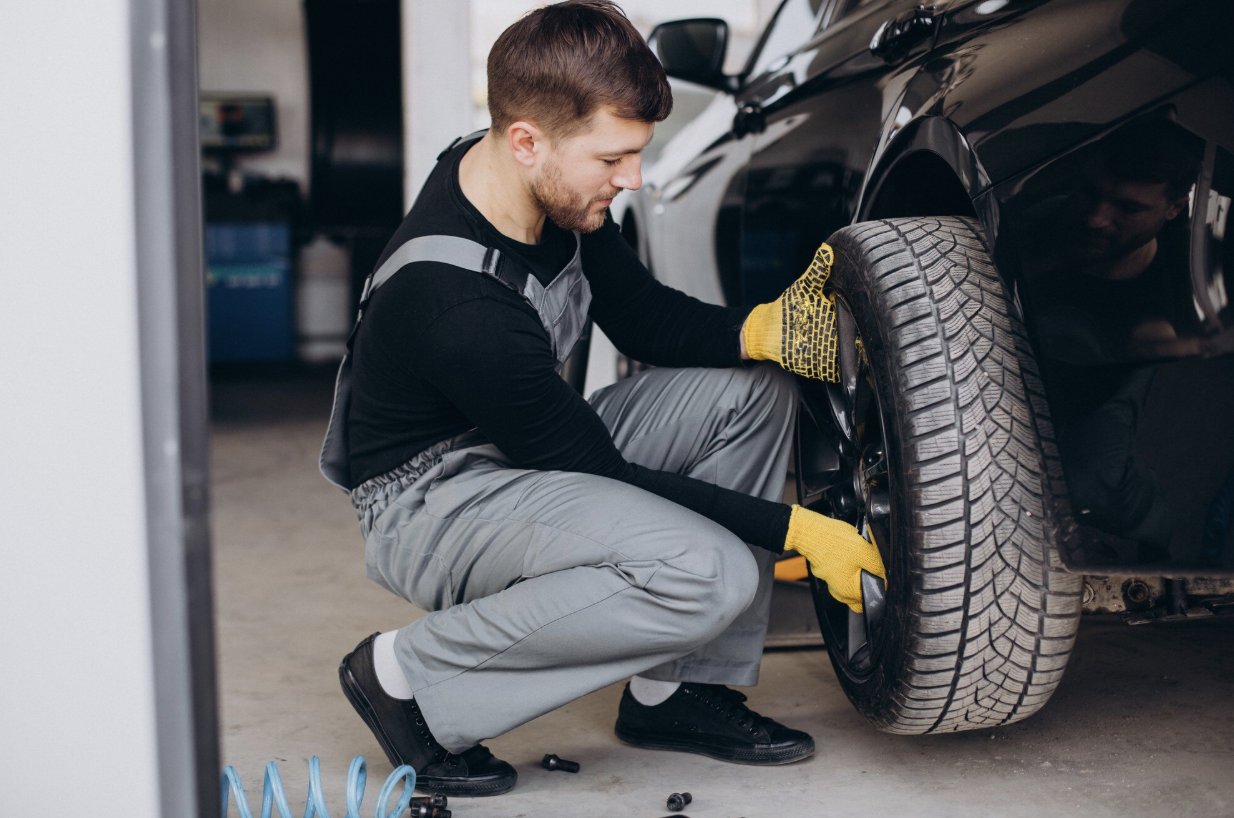
Why can the same set of tires tell four different stories after months on the road?
Your tires do more than roll. They carry weight, respond to steering, grip pavement, manage braking force, and absorb the small surprises that every drive brings. Because each wheel position works a little differently, tread does not wear evenly on its own. That uneven wear can make your car feel less steady, louder, and less predictable over time.
Table Of Contents
- Why Tires Wear Differently On The Same Vehicle
- How Even Wear Changes The Way Your Car Feels
- How Rotation Helps Tires Last Longer
- What To Expect From A Careful Service Visit
- Conclusion
- FAQs
We want you to understand this maintenance step before it becomes an expensive lesson. Regular rotation is simple, but its effect is meaningful. It helps tires share the workload, protects performance, and gives you a better chance of spotting problems early. When you know what your tires are showing you, you can make smarter choices for your vehicle, your budget, and your daily safety.
Why Tires Wear Differently On The Same Vehicle
Front tires usually handle most of the steering and much of the braking force. On many vehicles, they also carry extra engine weight. Rear tires help with stability and keep the vehicle balanced through turns, lane changes, and stops. Since these jobs are not equal, the wear pattern is not equal either.
If the same tires stay in the same positions too long, one pair may lose tread faster than the others. You may still see tread on all four tires, yet the depth and shape can differ enough to change how the vehicle feels. Moving the tires to proper positions helps spread that work across the set.
Driving Habits Leave Clues
How you drive matters. Frequent short trips, quick turns, hard braking, heavy cargo, rough roads, and coastal heat can all affect tire wear. Even careful drivers see differences because roads are not perfectly smooth and vehicles are not perfectly balanced.
Your tires also respond to climate and surface texture. Heat, rain, sand, potholes, and curb contact all leave small marks over time. When those marks collect unevenly, the car may still run, but the tires are no longer sharing the same workload across each corner properly during daily driving.
Ask yourself what your tires would say about your routine. Do you drive in stop-and-go traffic every day? Do you park on uneven surfaces? Do you take long highway trips with a loaded vehicle? These details help explain why one tire may age faster than another.
How Even Wear Changes The Way Your Car Feels
Tread depth affects how tires meet the road. When wear is balanced, the vehicle has a steadier contact pattern. That helps with traction, especially when roads are wet, sandy, or uneven. It can also support more predictable braking and steering.
Uneven tread can make a vehicle feel like it pulls, skips, or reacts late. You may notice this more during rain, on curves, or when stopping quickly. The goal is not only to have a longer tire life. The goal is a car that responds the way you expect when it matters.
A Smoother Ride Helps You Notice Problems
Balanced wear can reduce vibration, road noise, and roughness. A smoother ride also makes it easier to notice when something else feels wrong. If your car begins shaking after a rotation, the issue may involve balance, alignment, suspension, or tire damage.
That is why this service should not be treated as a quick shuffle with no inspection. The movement of the tires gives us a chance to look at tread depth, sidewall condition, pressure, and wear patterns. Those details can point to problems while they are still manageable.
How Rotation Helps Tires Last Longer
Tires are not cheap, and replacing them early can be frustrating. Regular rotation helps each tire take turns handling heavier work. Over time, this can slow uneven wear and help the full set stay usable for longer.
Think of it like sharing a demanding task among four people instead of leaving one person to do most of it. The work still happens, but it is spread more fairly. That is the practical value behind a service many drivers overlook.
At Dream Coast Auto, we want clients to understand why a simple appointment can protect comfort, safety, and long-term value.
It Works Best With The Basics
Rotation works best when paired with the basics. Tire pressure should be checked regularly, alignment should be watched, and balancing should be addressed when vibration appears. If one part of tire care is ignored, the benefits can fade.
You should not assume rotation fixes every tire issue. It helps manage normal wear, but it cannot correct a bent wheel, worn suspension part, underinflation, or alignment trouble by itself. When those issues exist, they should be handled before they shorten tire life.
When You Should Schedule A Rotation
Many drivers use a regular mileage interval as a reminder. Your owner’s manual is the best guide because every vehicle is built differently. Some drivers pair rotation with oil service because it is easier to remember and keeps maintenance on a steady rhythm.
The better question may be this. What schedule fits the way you actually drive? A car used mostly for highway travel may show wear differently than a vehicle used for short city trips, towing, delivery routes, or beach roads.
Your Tires May Ask Sooner
Your tires may need attention before the usual mileage mark. Watch how the vehicle feels and look for visible changes. You do not need to become a mechanic, but you should stay curious about warning signs.
- Uneven tread depth from one tire to another
- Pulling, shaking, humming, or new road noise
- Cracking, bulges, cuts, or pressure loss
If you notice any of these, schedule an inspection instead of waiting. A quick check can help you avoid guessing, and guessing is rarely kind to tires.
What To Expect From A Careful Service Visit
A proper tire rotation follows the pattern that fits your vehicle, tire type, and drivetrain. Some tires can move front to back. Others may need a cross pattern. Directional tires and staggered sizes have different requirements.
This is where professionals matter. They know that the right pattern depends on the vehicle, not habit. They also check whether the tires are safe to move, whether the pressure is correct, and whether wear points indicate another issue.
You should expect clear communication. If the tread looks uneven, someone should explain why. If alignment or balance is worth checking, you should know what signs led to that recommendation.
Your Approval Should Feel Informed
Good tire care should not feel confusing. You should know what was checked, what was found, and what should happen next. Photos, notes, or a clear explanation can help you decide without pressure.
We believe maintenance works best when you feel included in the process. Your vehicle is part of your routine, and you deserve plain answers about how to keep it dependable.
Conclusion
Tire rotation improves performance because it helps tires wear more evenly, which supports grip, steering response, braking confidence, and ride comfort. It extends tire life because it prevents one position from carrying too much of the workload for too long.
This small maintenance step also gives you a regular chance to catch pressure issues, alignment concerns, tread problems, and damage before they become larger repairs. You should not wait until the ride feels rough or the tread looks uneven. By then, the tire may already have lost useful life.
When you keep tire care on a consistent schedule, your car feels better, your tires last longer, and your driving decisions become easier. That is the real benefit. It is not complicated. It is simply smart care repeated before problems have room to grow.
FAQs
How often should you rotate your tires?
Most drivers should follow the mileage interval in the owner’s manual. Many vehicles need this service around regular maintenance visits, but driving habits and road conditions can change timing.
What happens if you skip rotations?
Skipping rotations can cause uneven tread wear, more road noise, weaker traction, vibration, and earlier tire replacement. It may also make alignment or suspension issues harder to notice.
Can rotation fix uneven tire wear?
It can help manage normal uneven wear, but it cannot repair damage or correct alignment, balance, suspension, or pressure problems. Those issues may need separate service.
Should all vehicles use the same rotation pattern?
No. The right pattern depends on drivetrain, tire direction, tire size, and manufacturer guidance. Directional tires and staggered setups often need special handling.
Is rotation still useful if the tires look fine?
Yes. Tires can begin wearing unevenly before the problem is easy to see. Regular service helps keep the set balanced and gives you a chance to catch early concerns.
Keep Your Tires Performing Better For Longer
→ Schedule rotation before uneven wear costs you more
→ Improve grip, steering, and ride comfort with proper tire care
→ Protect tire life with service that keeps every wheel working evenly
Connect with Dream Coast Auto to keep your tires road-ready →